
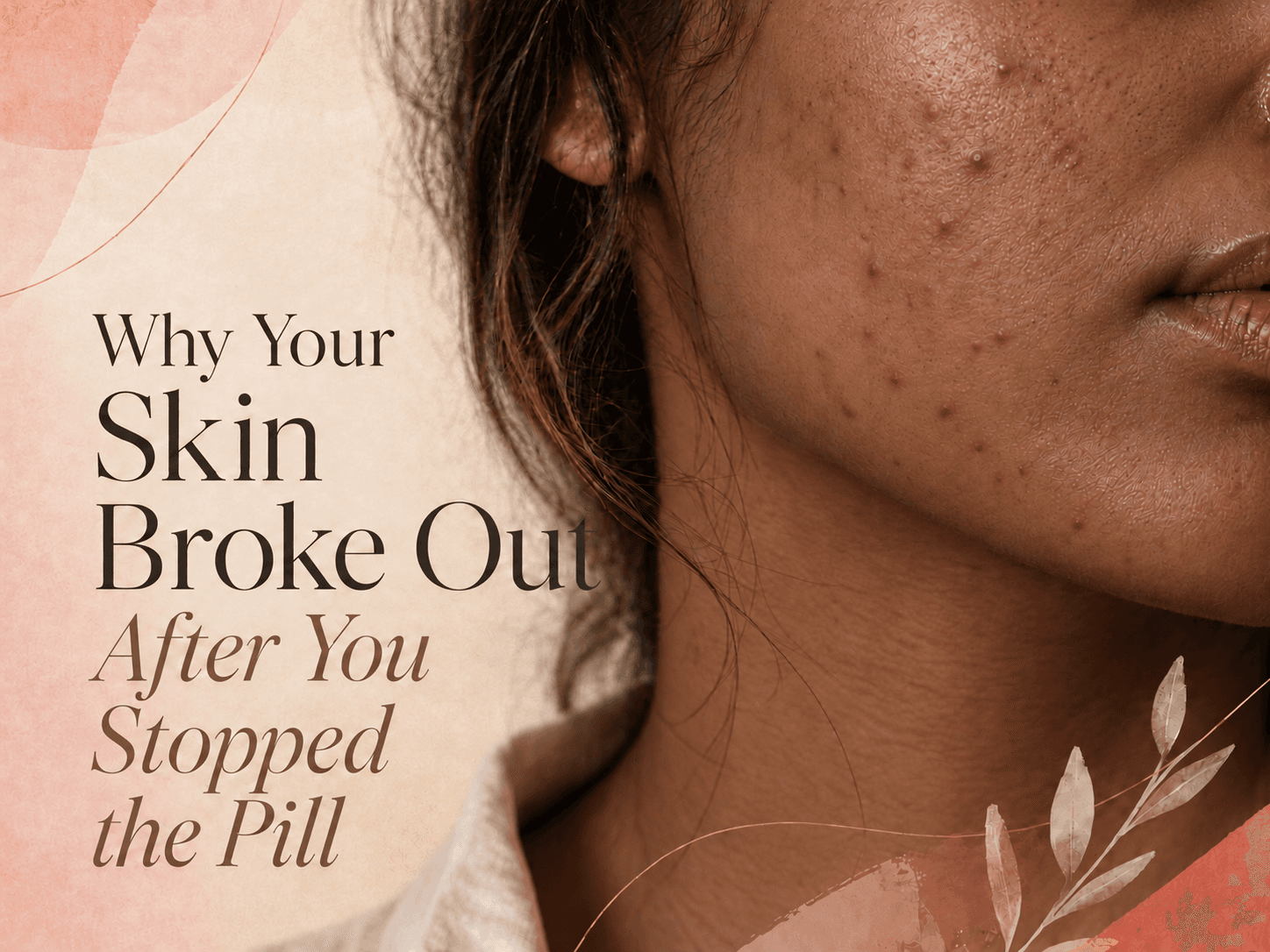
Why Your Skin Broke Out After You Stopped the Pill
Stopped the pill and your chin is staging a protest? Discover why post-pill acne happens, how long the hormonal rebound actually lasts, and how to gently support your skin while it recalibrates.
In This Article
- Why breakouts show up months after stopping birth control.
- How androgen rebound actually works in your skin.
- A realistic timeline for when things settle down.
- What to do at home, and when to bring in professional support.
You came off the pill expecting your body to settle back into its own rhythm, and instead your chin decided to stage a full protest. If you're standing in front of the mirror wondering why breakouts are showing up now, years after you dealt with this in high school, you're not alone and you're definitely not doing anything wrong.
We hear this from clients across Burlington, Oakville, Hamilton, Milton, and the wider Halton Region often enough that we wanted to put together something clear on what's really going on, because most of what's out there online either oversimplifies it or scares people unnecessarily.
This Isn't Your Teenage Acne Coming Back
It looks similar, but it isn't the same thing. What you're dealing with now is called post-pill acne, and it happens when your body's own hormone production starts back up after being quieted down by synthetic hormones for months or years. The pill worked in part by keeping certain hormones steady, and once that's gone, your ovaries have some catching up to do.
For a stretch of time, that catching up isn't smooth. Androgen levels, the hormones that influence oil production in your skin, can rebound faster than your estrogen stabilizes. The result is oilier skin, clogged pores, and those deep, tender breakouts along the jawline and chin that feel a lot more stubborn than a typical pimple.
How Long Is This Going to Last
Most women start noticing breakouts somewhere between two and twelve weeks after stopping birth control, with things often peaking around the three to six month mark. For a lot of people it settles down within six to twelve months as hormone levels find their new normal. That's a long window, and we know that's not what anyone wants to hear when you're staring at a new breakout every week.
How rough this phase is really does depend on a few things. What kind of birth control you were on, how long you were on it, whether you dealt with acne before you ever started the pill, and just how sensitive your particular skin is to hormonal swings all play a role. If your skin was clear before birth control and you had smooth sailing on it, you may barely notice anything. If acne was part of the reason you went on the pill in the first place, this transition is often tougher.
What Actually Helps While Your Body Recalibrates
Day to Day
- Keep your routine gentle. Over-washing or scrubbing at inflamed skin tends to backfire and makes irritation worse.
- Look for non-comedogenic products so you're not adding fuel to clogged pores while your skin is already working overtime.
- Give any new routine a full cycle or two before deciding whether it's working. Hormonal skin doesn't respond to a product in a week the way a random dry patch might.
- Be patient with texture changes too. Oilier skin, occasional dry patches, or spots that seem to move around your face are all part of the same rebalancing act.
What We Can Do Together
This is exactly the kind of situation where a professional set of eyes makes a real difference. Our Registered Nurses (RN/RPN) can help figure out whether what you're seeing fits the typical post-pill pattern or whether something else might be contributing, under the medical direction of Vijeta Singh, NP-PHC, MScN. From there we can talk through options like AlumierMD peels suited to acne-prone, hormonally reactive skin, or a treatment plan that supports your skin barrier while the deeper hormonal picture settles.
If breakouts are severe, painful, or leaving scarring behind, or if they're showing up alongside irregular periods or other changes that feel bigger than skin, that's worth a conversation with your doctor too. Post-pill acne is common, but it's still worth ruling out anything else going on underneath it.
Is This Right for Me?
If you've stopped hormonal birth control in the last year and your skin has been anything but predictable since, this conversation is for you. There's no need to wait it out alone or guess your way through a dozen different products. Bring your questions to a consultation and we'll help you figure out what your skin actually needs right now, not what worked for you at nineteen.
Ready to talk to our clinical team?
Every skin story is a little different. Let's talk through what's happening with yours.
3455 Harvester Rd, Unit 10, Burlington, Ontario L7N 3P2
Continue reading
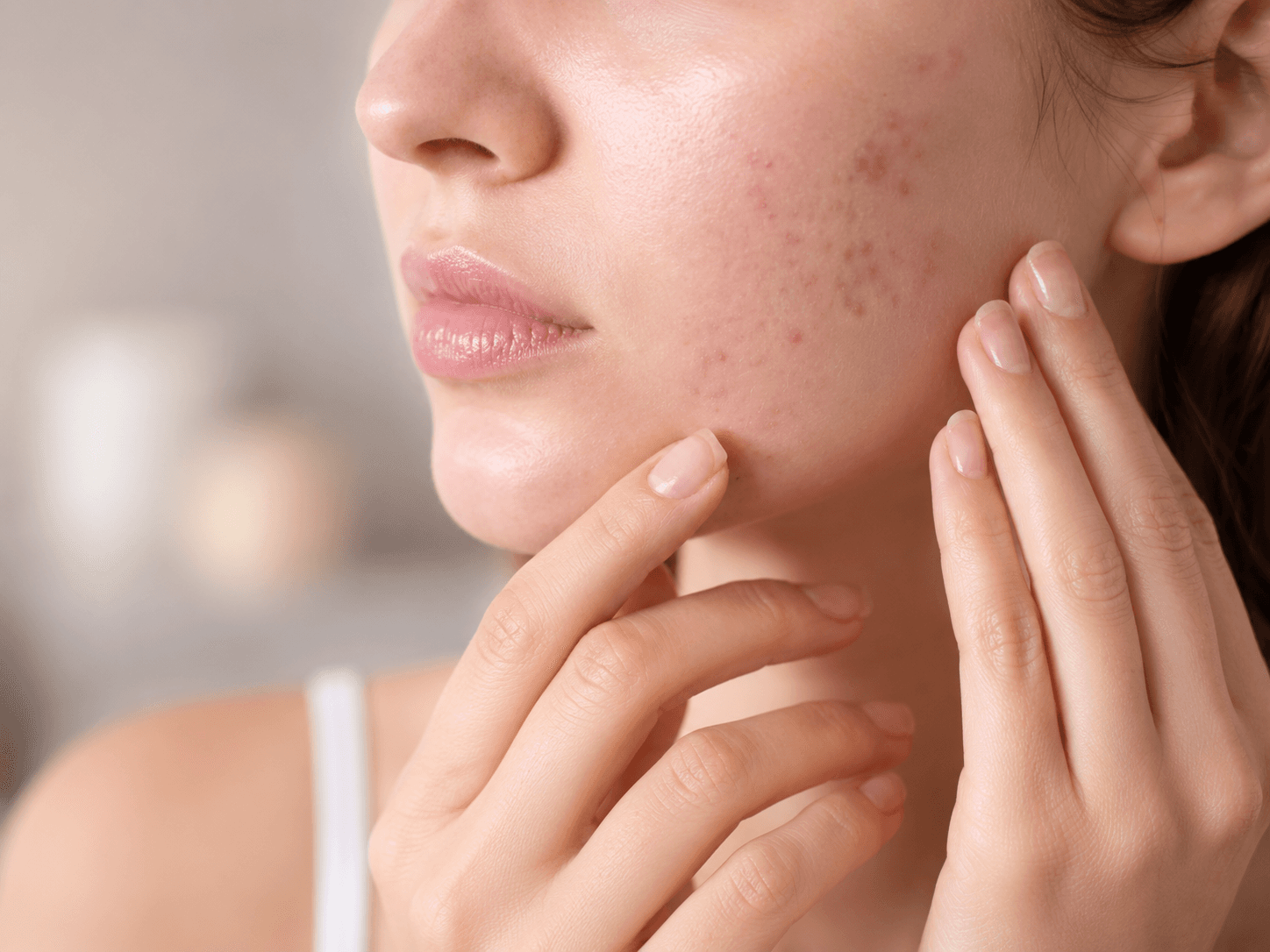
Why Your Skin Breaks Out Like Clockwork Every Month
Dealing with clockwork breakouts on your chin and jawline? Learn the difference between cycle-related hormonal acne in your 30s and other hormonal shifts, plus the best home and in-clinic strategies to finally take control of your skin.
Read article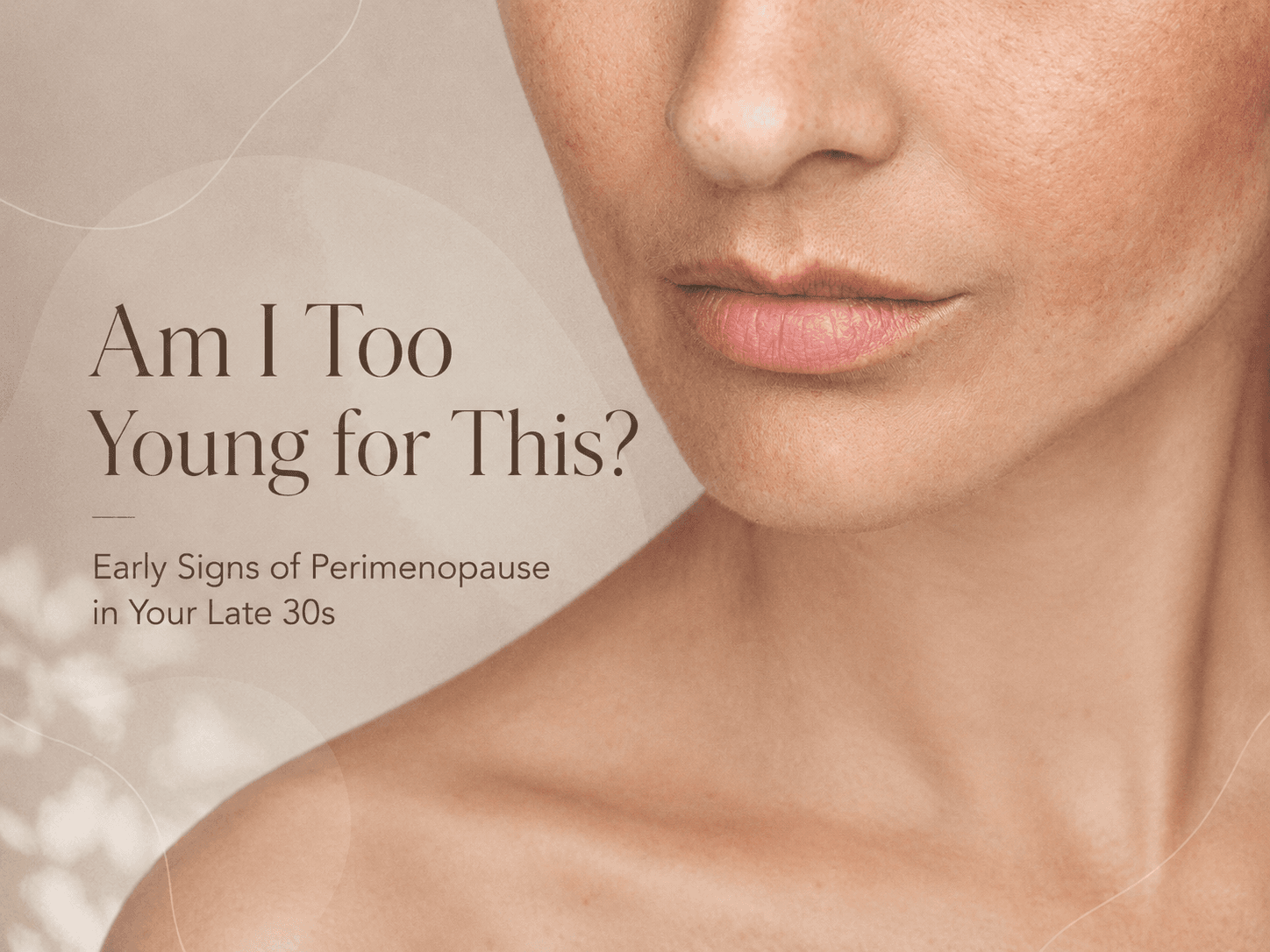
Am I Too Young for This? Early Signs of Perimenopause in Your Late 30s
Think perimenopause is only a problem for your 40s? Learn why it often begins in your mid-to-late 30s, the early skin signs to watch for, like sudden dryness and hormonal acne, and how to adjust your skincare routine for these new hormonal shifts.
Read article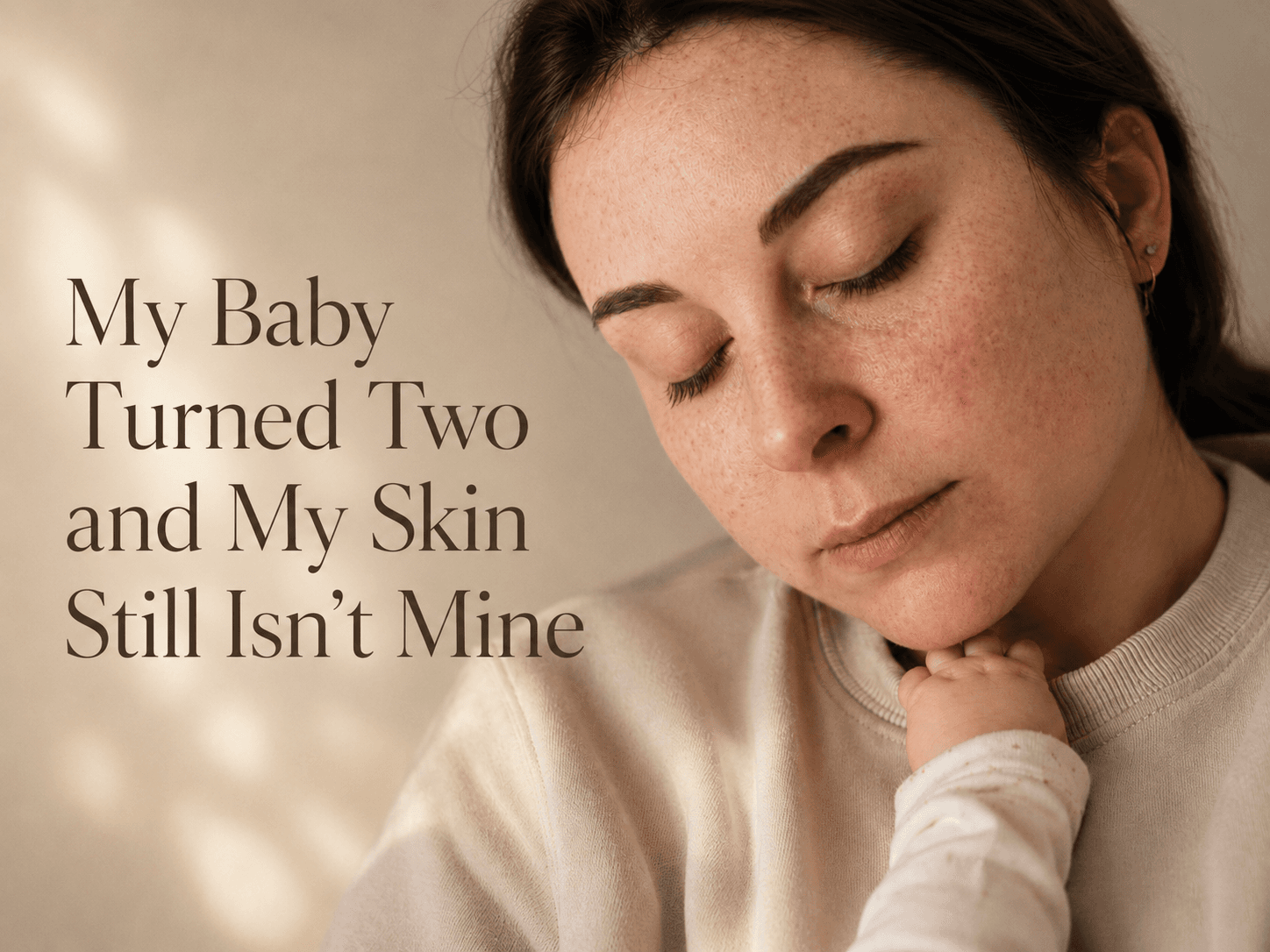
My Baby Turned Two and My Skin Still Isn't Mine
What happens when postpartum skin changes outlast the one-year timeline everyone quotes? Discover the science behind long-term hormonal shifts, lingering pigmentation, and how to gently manage your skin during the toddler years.
Read article