
Botox in Your 20s and 30s: Is “Preventive” Botox Actually Worth It?
Considering preventive Botox in your 20s or 30s? Discover how early anti-wrinkle injections actually work, signs you're ready, and why lighter dosing stops lines without freezing your face.
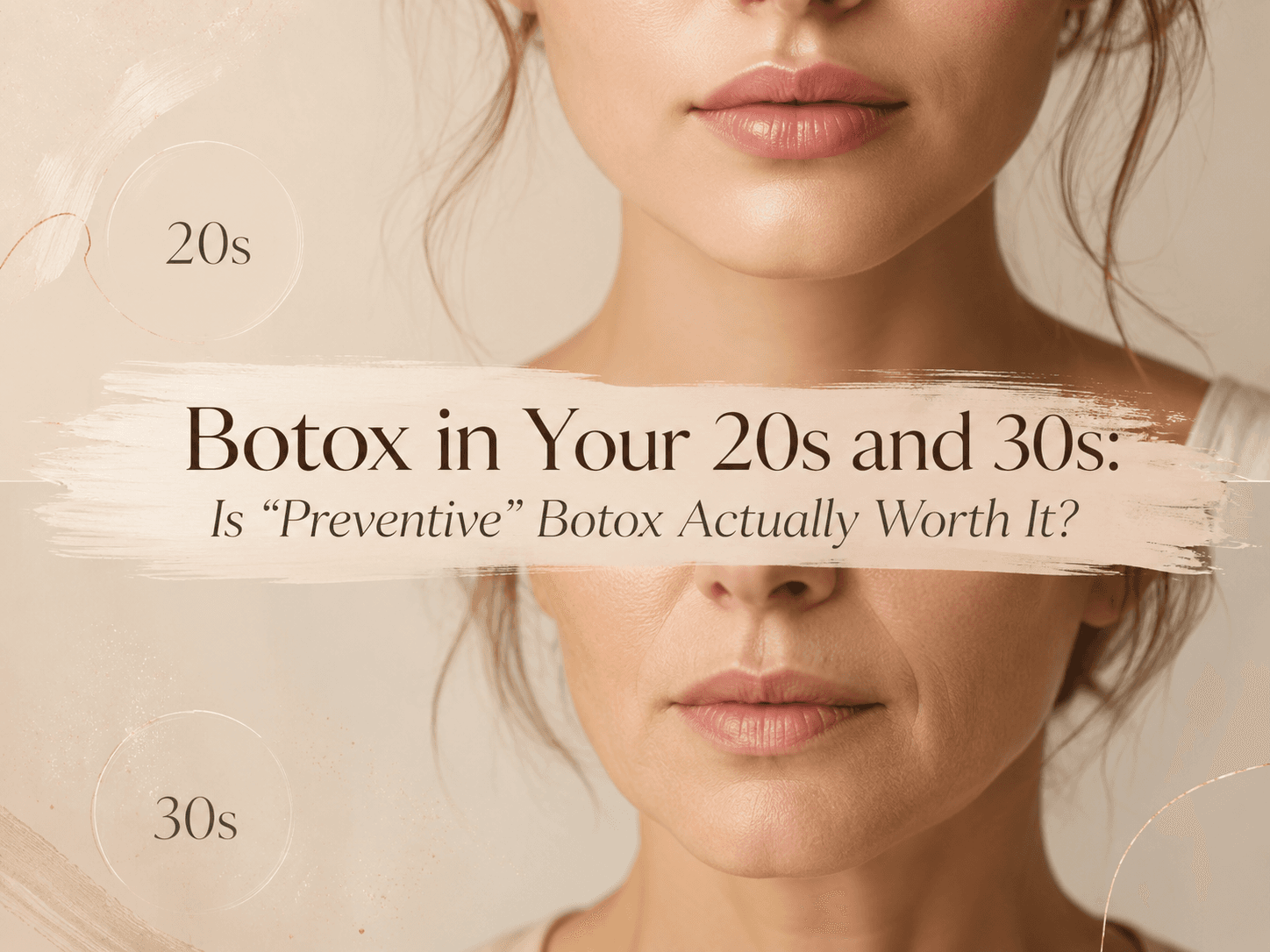
Quick Facts
- Best for early expression lines, not deep-set wrinkles yet.
- Most clients we see start somewhere between their mid-20s and late 30s.
- Lower, lighter dosing than a typical Botox appointment for someone older.
- Administered by Registered Nurses (RN/RPN) under NP medical direction.
Okay, So What Is “Preventive” Botox, Really?
If you've spent any time on social media lately, you've probably seen someone in their mid-20s casually mention getting anti-wrinkle injections "before I even need it." It sounds a little strange the first time you hear it. Botox for wrinkles you don't have yet?
Here's the actual idea behind it. Every time you make a facial expression, whether it's squinting in the sun, raising your eyebrows, or scrunching your forehead while you read a text message, the muscle underneath contracts. Do that same movement thousands of times a year for years on end, and eventually the skin over top starts to hold onto a crease even when your face is at rest. Those are the lines people usually notice first in their late 30s or 40s.
Preventive treatment simply means using a lighter dose of neuromodulator earlier, so those repetitive muscle movements soften before the crease has a chance to set in permanently. It's not about freezing your face at 25. It's about slowing down a process that's already happening quietly in the background.
How Do You Know If You're Actually Ready?
There's no magic birthday where this suddenly makes sense for everyone. It really comes down to what your skin is already telling you. A few signs it might be worth a conversation:
- You notice a line between your brows or across your forehead when you make an expression, but it disappears completely once your face relaxes.
- You've started catching those lines in photos or on video calls, even though they're not visible in the mirror at rest.
- You have a family history of deep-set expression lines and would rather stay ahead of it.
- You're simply curious and want an honest, no-pressure opinion from someone who does this every day.
And just as important: if none of that sounds like you yet, that's a completely fine answer too. This isn't a treatment everyone in their 20s needs, and a good consultation should tell you that just as readily as it recommends treatment.
What Actually Happens at Your Appointment
This part tends to surprise people the most. There's no big transformation moment. You come in, we talk through your concerns and your goals, and one of our Registered Nurses maps out exactly which muscles are involved in the movement you're worried about. Because the goal at this stage is prevention rather than correction, the dosing is typically lighter than what we'd use for someone already dealing with etched-in lines.
The appointment itself is quick, usually well under an hour including the consultation. Most people go straight back to their day. You'll start noticing softening within three to five days, with full results settling in around the two-week mark.
What It Won't Do (Let's Clear Up the Myths)
It won't freeze your face
This is the number one fear we hear, and it's a fair one given some of the overdone results people associate with the word Botox. Done well and dosed appropriately for someone younger, you should still be able to raise your eyebrows, look surprised, and laugh without anything looking stiff. If a treatment leaves you unable to move your forehead at all, that's a dosing choice, not an unavoidable side effect.
It won't stop the aging process altogether
Anti-wrinkle injections address one piece of the puzzle, the muscle movement piece. They don't replace sunscreen, they don't replace collagen support, and they won't do anything for volume loss down the road. Think of it as one tool in a much longer-term plan, not a stand-alone fix.
It isn't a one-and-done treatment
Results typically last three to four months before the muscle movement gradually returns. Most people who start preventively end up settling into appointments roughly two to three times a year, often needing less product over time as those muscles get used to relaxing.
Is This Right for Me?
Honestly, the best way to answer that isn't a blog post, it's a real conversation. Bring your questions, bring your skepticism if you have any, and we'll give you a straightforward opinion, even if that opinion is "let's wait a bit longer." We serve clients across Burlington, Oakville, Milton, Hamilton, and the wider Halton Region, and every consultation is free.
Ready to Talk It Through?
Come in for a free consultation and we will look at your skin, your goals, and your timeline together, no pressure and no script.
3455 Harvester Rd, Unit 10, Burlington, Ontario L7N 3P2
Continue reading
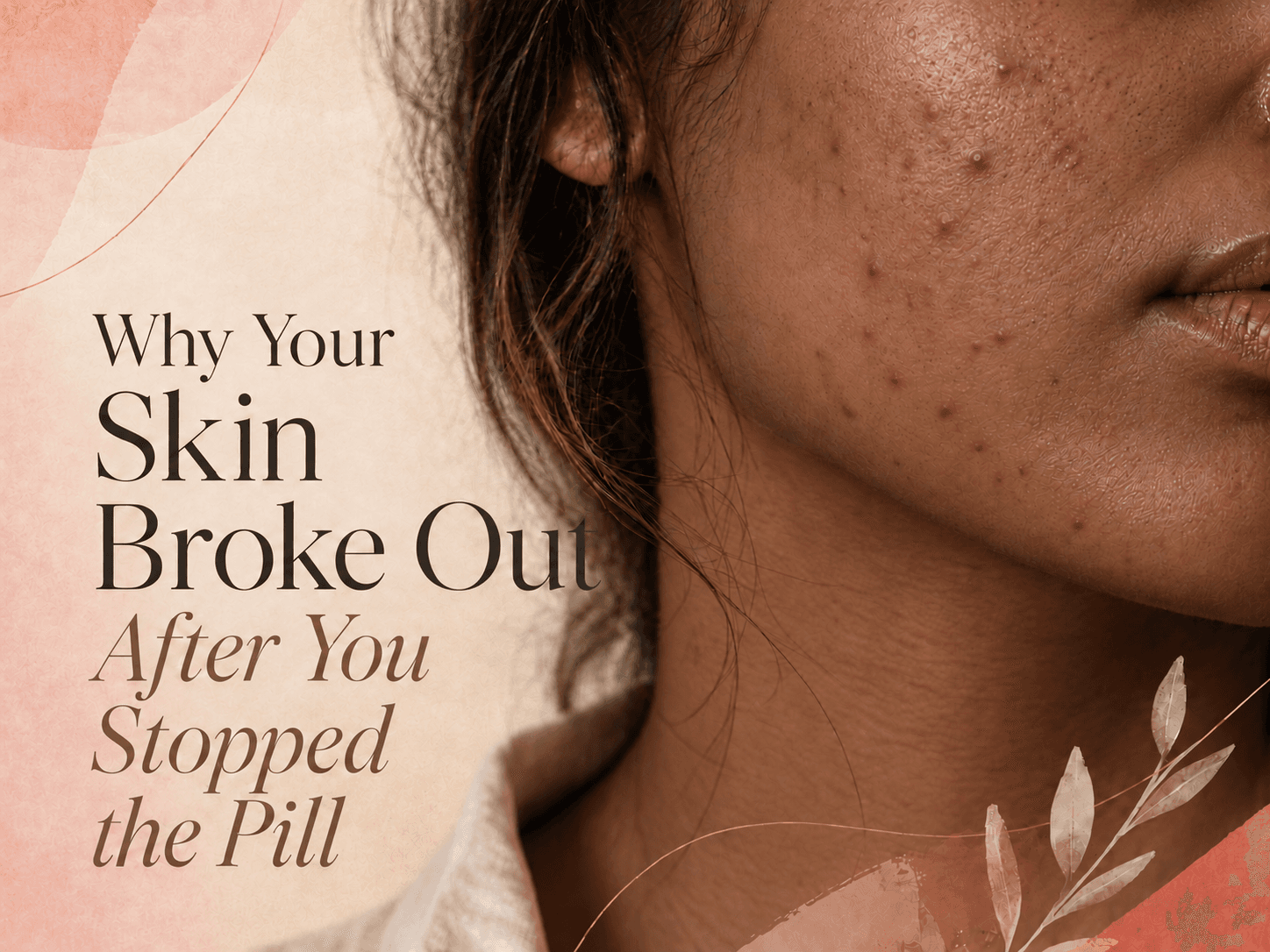
Why Your Skin Broke Out After You Stopped the Pill
Stopped the pill and your chin is staging a protest? Discover why post-pill acne happens, how long the hormonal rebound actually lasts, and how to gently support your skin while it recalibrates.
Read article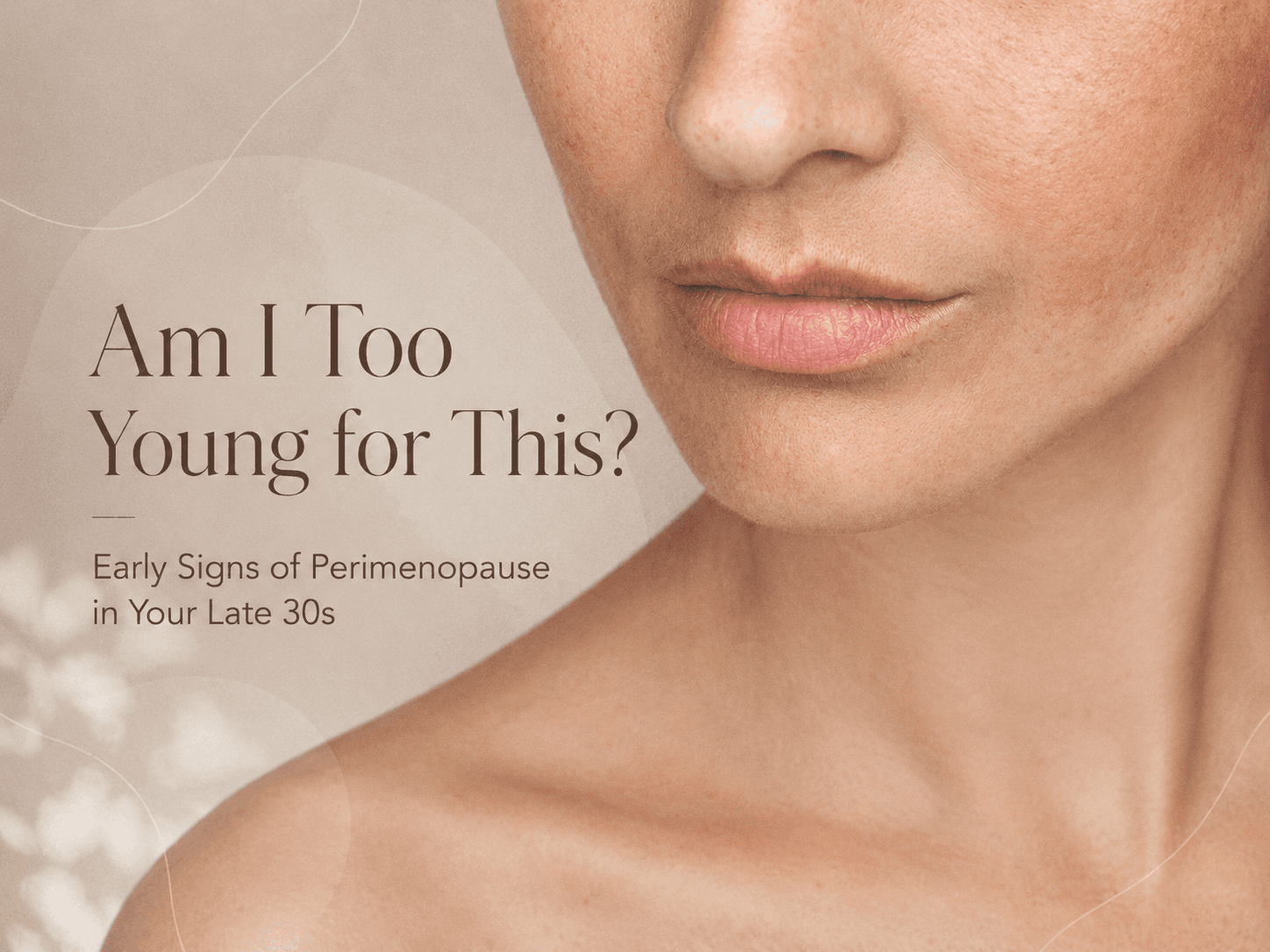
Am I Too Young for This? Early Signs of Perimenopause in Your Late 30s
Think perimenopause is only a problem for your 40s? Learn why it often begins in your mid-to-late 30s, the early skin signs to watch for, like sudden dryness and hormonal acne, and how to adjust your skincare routine for these new hormonal shifts.
Read article
My Baby Turned Two and My Skin Still Isn't Mine
What happens when postpartum skin changes outlast the one-year timeline everyone quotes? Discover the science behind long-term hormonal shifts, lingering pigmentation, and how to gently manage your skin during the toddler years.
Read article