Pregnancy & Postpartum: Your Skin After Baby
What's changing hormonally through pregnancy, breastfeeding, and beyond, and what's safe, stage by stage.
Quick Take
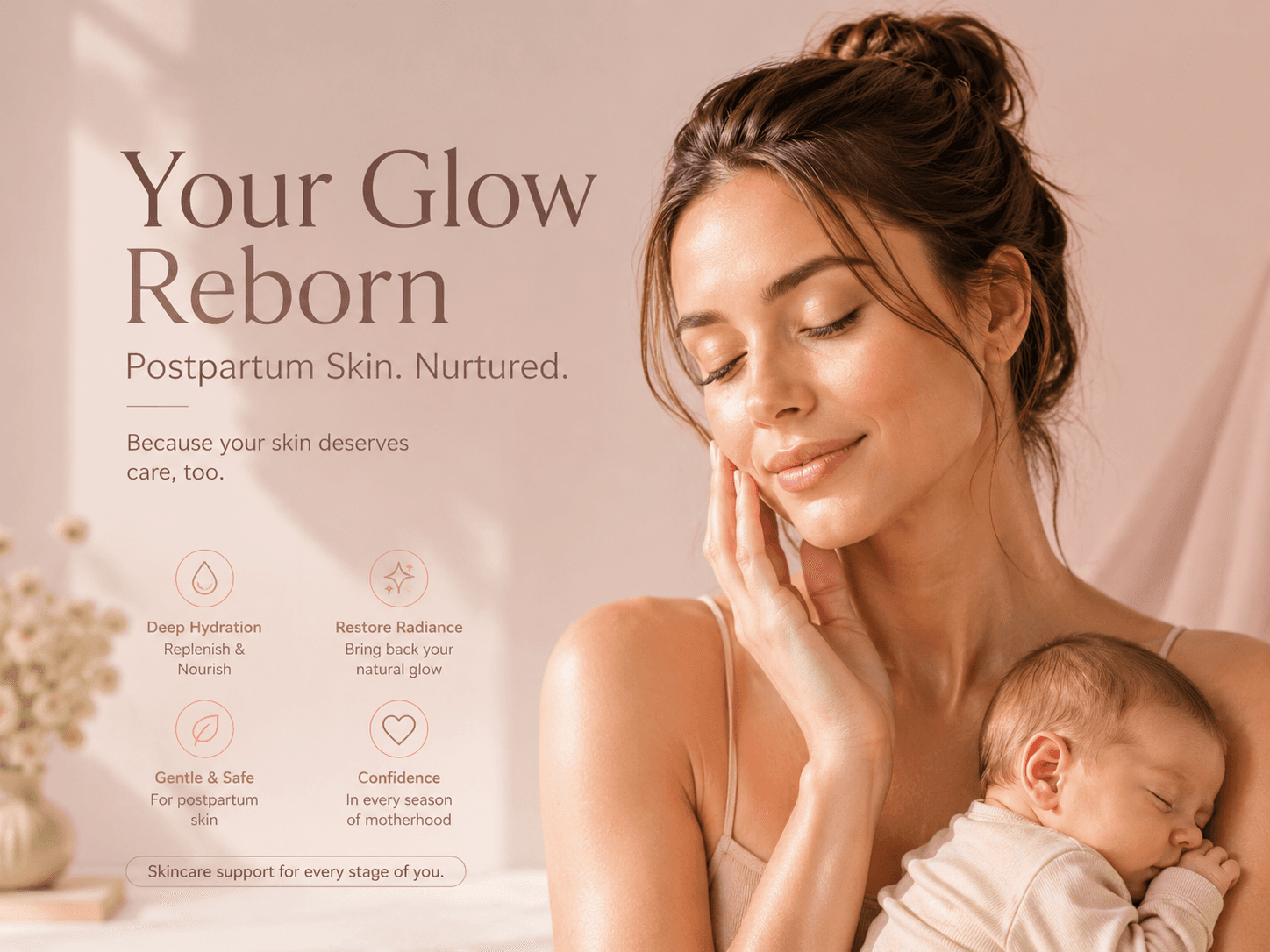
- Pregnancy and breastfeeding hormones (rising then dropping estrogen and progesterone, plus prolactin) drive most of the skin and hair changes new mothers notice.
- Most elective injectables and active skincare ingredients are avoided during pregnancy, since safety data doesn't exist and the standard of care is to wait.
- Breastfeeding has its own, slightly less restrictive rules, many clinics still defer elective injectables until nursing ends or is well established.
- Once you're fully postpartum and no longer breastfeeding, the full treatment menu is available again, this is often the best time to address stubborn changes like melasma, hair shedding, or lost volume.
- This blog is general information, not medical advice, always confirm with your OB, midwife, or family doctor before starting any treatment, vitamin, or skincare product during pregnancy or while breastfeeding.
Your Skin and Hormones, From Pregnancy Through Postpartum
Having a child brings some of the most dramatic hormonal swings a body experiences. Estrogen and progesterone rise steadily throughout pregnancy, drop sharply within days of delivery, and then stay suppressed for as long as you're breastfeeding, held down by prolactin. Each phase has its own effect on your skin, hair, and overall sense of wellbeing, and each phase also has its own rules about what's safe to treat.
Because research on cosmetic treatments during pregnancy and breastfeeding is limited for ethical reasons, the guidance in this article reflects the cautious, well-established standard most physicians and aesthetic clinics follow: when in doubt, wait. It's not medical advice for your specific situation; please confirm anything below with your OB, midwife, or family doctor, particularly during pregnancy and while breastfeeding.
Common Skin & Systemic Changes After Having a Child
During Pregnancy
Rising estrogen and progesterone increase melanin production, which can cause melasma (the 'mask of pregnancy') and a darker line down the abdomen. Stretching skin, increased blood flow, and oil gland activity can bring stretch marks, pregnancy acne, and spider veins or varicose veins, particularly in the legs.
Right After Delivery, While Breastfeeding
The sudden hormone drop after delivery is the most common trigger for postpartum hair shedding (telogen effluvium), which typically peaks around three to four months postpartum. Skin can feel drier or more sensitive while breastfeeding due to low estrogen, and many women notice lingering melasma, deflated facial volume, or fatigue-related dullness during this stage.
Postpartum, Once Breastfeeding Has Ended
As hormones stabilize, many of these changes plateau, but some, melasma, stretch marks, lost facial volume, and hair that hasn't fully regrown, often need active treatment to improve rather than resolving fully on their own. This is usually the stage clients are most ready to address their skin and hair with a full range of options.
A note before the tables below: this is general information only. Always check with your OB, midwife, family doctor, or lactation consultant before starting any treatment, vitamin, or skincare ingredient during pregnancy or while breastfeeding.
What's Safe, Stage by Stage
During Pregnancy
Right After Delivery, While Breastfeeding
Postpartum, Once Breastfeeding Has Ended
Treatments at Luna Med Spa for Each Stage
During Pregnancy
Our RN team can support you with gentle, non-medical facial treatments like Refining Clay Mask, Hydrojelly Mask, where the products used have been reviewed for pregnancy-appropriate ingredients; think hydration and comfort rather than active correction. We do not perform injectables, microneedling, sclerotherapy, or elective vitamin therapy on pregnant clients, in keeping with standard clinical practice.
While Breastfeeding
Many clients return to us in this stage for gentle facials and a skincare consultation to manage melasma, dull skin, or dryness with breastfeeding-appropriate ingredients. Depending on your individual health history and your doctor's guidance, some clients also explore B12 or Vitamin D3 support. Our team will always ask about your feeding status before recommending any injectable, vitamin therapy, or active treatment, and will default to the more cautious option when data is limited.
Postpartum, Once Breastfeeding Has Ended
This is typically when clients are ready for the full menu. Botox, HA Dermal Fillers or Biostimulators and skin boosters can help restore collagen and hydration lost during pregnancy and nursing and improve wrinkles and skin quality. PRF and PRP are popular for addressing postpartum hair shedding, since they use your own blood's growth factors to support the scalp. Microneedling and appropriate chemical peels can help fade lingering melasma and improve stretch mark texture. Sclerotherapy remains our strongest local differentiator for pregnancy-related spider and varicose veins that didn't resolve on their own. And our full vitamin therapy menu, including NAD+, Glutathione, B12 Methylcobalamin, MICC, and Vitamin D3, is available to support energy and recovery.
Is This Right for Me?
You may be a good candidate for a consultation if you:
- Are pregnant and want a safe, gentle way to care for changing skin.
- Are breastfeeding and want guidance on which ingredients and treatments are appropriate right now.
- Have finished breastfeeding and are ready to address melasma, hair shedding, stretch marks, or lost facial volume.
- Want a personalized skincare routine that adapts as you move through each stage.
A conversation with your doctor should come first if you:
- Are currently pregnant or breastfeeding and considering any injectable, IV vitamin therapy, or active skincare ingredient
- Have a high-risk pregnancy or postpartum complication
- Are unsure whether a medication or supplement you're taking interacts with a proposed treatment
“So many new moms tell us they feel like their skin and hair belong to someone else right now. That's real, and it's temporary. We'll always tell you honestly what's appropriate for your stage, even if that means waiting.”
Our Registered Nurses (RN/RPN), under the medical direction of Vijeta Singh, NP-PHC, MScN, will always ask about pregnancy and feeding status before recommending any treatment, and will help you build a plan that's right for exactly where you are.
Ready to Talk Through Your Postpartum Skin?
Wherever you are, expecting, nursing, or fully postpartum, our Registered Nurses (RN/RPN) will build a plan that's appropriate for your stage.
3455 Harvester Rd, Unit 10, Burlington, Ontario L7N 3P2
Continue reading
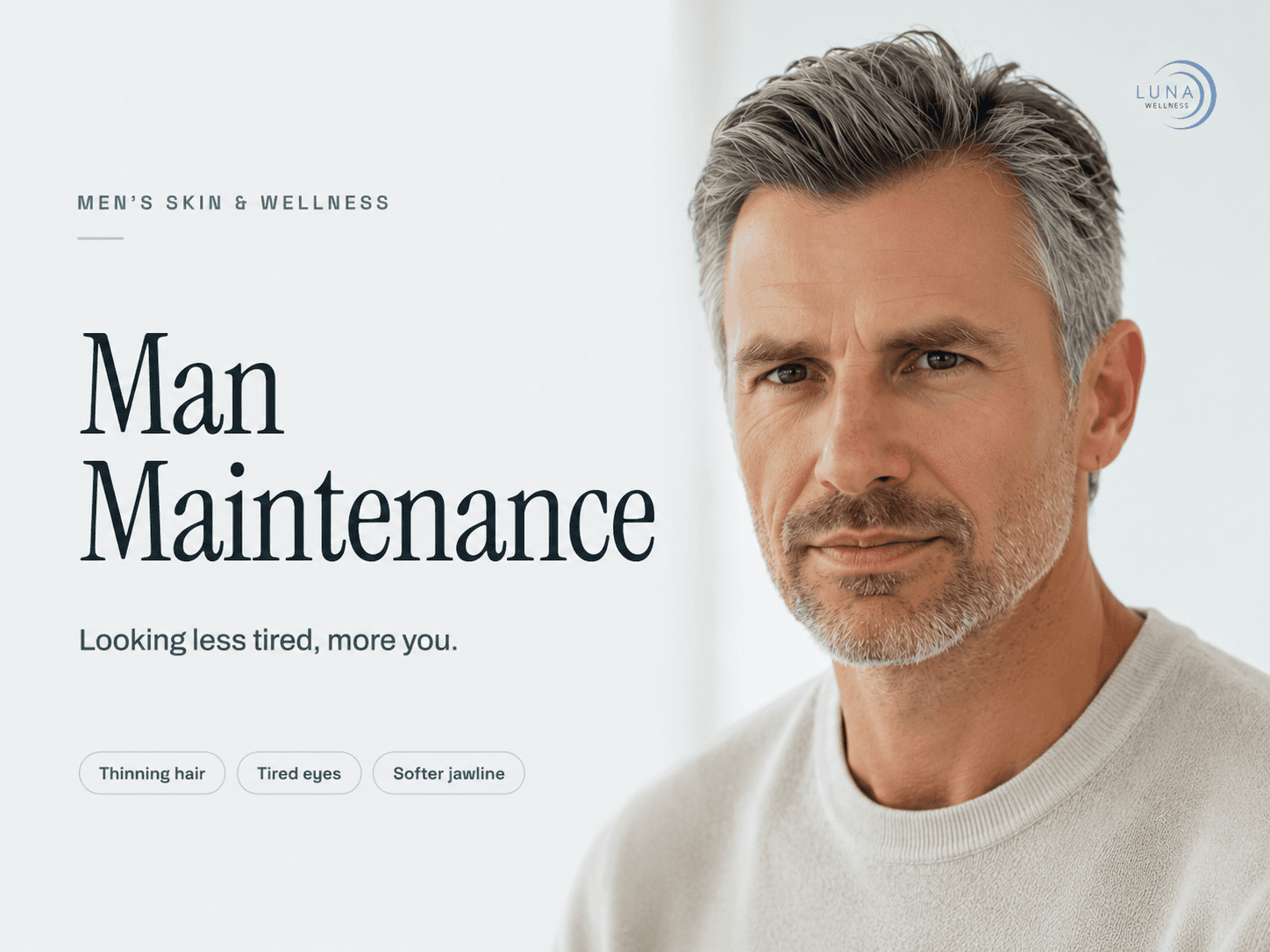
Men's Skin & Wellness: Man Maintenance
A Medical Aesthetics Guide to Looking Less Tired, More You: Thinning hair, tired eyes, a softer jawline, here's your no-nonsense guide to fixing it.
Read article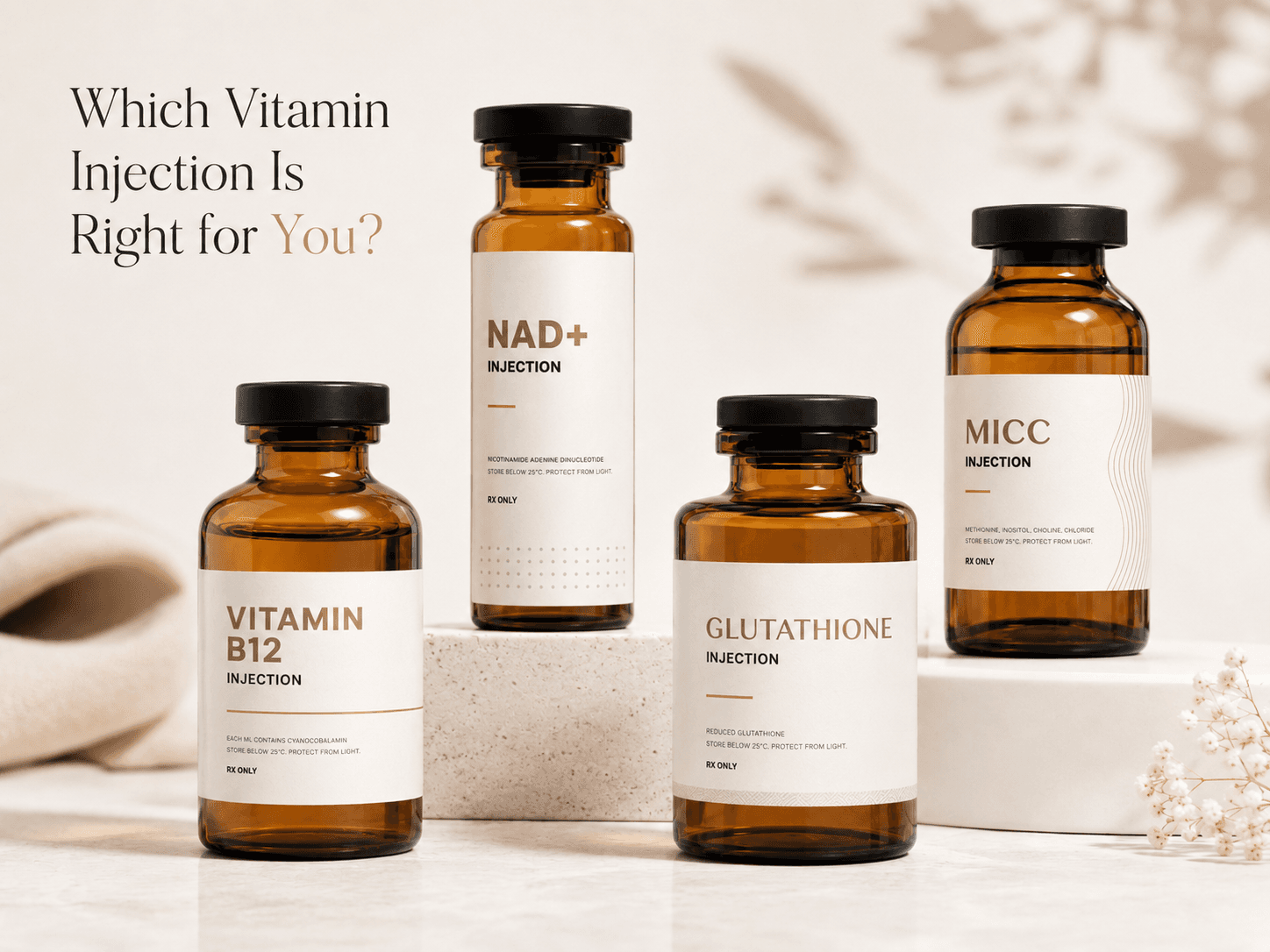
B12, NAD+, Glutathione, and MICC: Which Vitamin Injection Is Right for You?
A clear, honest guide to vitamin and wellness injections at Luna Med Spa Burlington, what each one does, who benefits most, and how to choose.
Read article
Double Chin Without Surgery: What You Need to Know About PCDC Lipolysis in Burlington
Learn how PCDC fat-dissolving injections target a double chin, what recovery involves, and what to expect from treatment at Luna Med Spa Burlington.
Read article